Updated 2026-05-15 · Fan interpretation
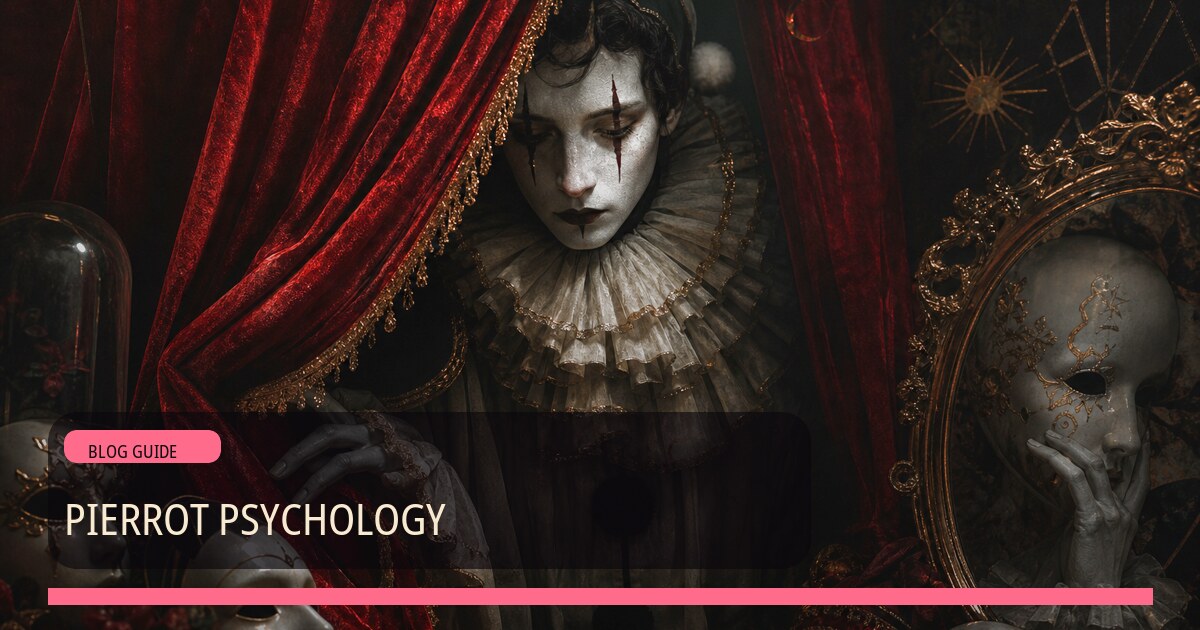
This fan-made analysis explores why many players read Pierrot as yandere-coded in The Freak Circus. We look at his silence, his protective behavior, and the emotional pressure he creates — without claiming any of this is official character canon.
Quick Answer — Why Players Read Pierrot as Yandere-Coded
Pierrot is not labeled as a yandere in the game. The developer has not confirmed this classification. However, players often read him as yandere-coded because of three patterns in the current build: his intense, unspoken focus on the protagonist; his protective behavior that sometimes feels like surveillance; and his emotional reactions when the protagonist spends time with other characters.
These traits do not make Pierrot a textbook yandere. What they do is create a character who feels emotionally overwhelming in a way that reminds players of that archetype. This guide treats "yandere-coded" as a fan lens, not a fact.
Mask Meaning, Protector vs Possession, and Day 2 Signals
Competitor character-analysis pages usually win this search by answering three questions quickly: what Pierrot's mask means, whether his protection is romantic or possessive, and how Day 2 changes the reading of his behavior. This page uses the same useful structure, but keeps every interpretation labeled as fan analysis.
- Mask meaning: players often read the mask as a boundary between softness and threat, not as a confirmed hidden mechanic.
- Protector vs possession: Pierrot can feel caring and controlling in the same scene; this tension is a community interpretation, not an official diagnosis.
- Day 2 route signals: later scenes make his silence and jealousy easier to notice, but they still do not confirm affection math or a true-ending formula.
Pierrot's Silence and Emotional Pressure
Pierrot speaks less than most cast members, but his silence carries weight. In visual novel terms, he is a low-dialogue, high-presence character. Every time he appears, the scene shifts. Other characters react to him. The protagonist feels watched. This is not stated in text — it is something players report feeling during his scenes.
His silence creates emotional pressure in two ways. First, it makes every line he does say feel significant. Players read into his words because there are so few of them. Second, it forces the protagonist — and the player — to fill in the gaps. When Pierrot stares without speaking, the player projects intent onto him. That projection is where the yandere reading begins.
Some players describe his scenes as "uncomfortable in a good way" — tense, atmospheric, and emotionally charged without being explicit. This tonal control is what makes Pierrot memorable, and what leads players to search for deeper psychological explanations.
Protection, Possession, and Player Choice
Pierrot's protective behavior is one of the most discussed elements among players. He steps in when the protagonist is in danger. He warns other cast members to stay away. On the surface, this reads as care. But the way he does it — quietly, without asking, sometimes without the protagonist knowing — creates a different impression.
Players often debate whether Pierrot is protective or possessive. The game does not give a clear answer. In some scenes, his actions keep the protagonist safe. In others, they limit the protagonist's freedom to interact with the rest of the cast. This ambiguity is intentional design, and it is what fuels the fan theory community.
From a route-reading perspective, Pierrot's behavior sends mixed signals. Players who want his route must interpret what he wants without clear dialogue prompts. This mirrors the yandere archetype in romance media: the love interest who never states their feelings directly, but expects the protagonist to understand anyway.
Why "Yandere" Should Stay a Fan Interpretation
Calling Pierrot a yandere is useful shorthand for players who recognize the pattern. But it is important to keep the label unofficial. The developer has not confirmed this framing. The game does not use the word. And Pierrot's behavior, while intense, does not match every trait of the classic yandere archetype.
For example, Pierrot does not display the violent outbursts or elimination behavior often associated with yandere characters in other media. His threat is emotional, not physical. He does not harm rivals — he simply makes his presence felt in ways that are hard to ignore. This distinction matters for accurate character analysis.
This guide uses "yandere-coded" to describe how players experience Pierrot, not what the developer intended. That distinction protects both the analysis and the player community from treating fan theory as confirmed lore.
How This Affects Route Reading
Understanding Pierrot's psychology — or at least how players read it — changes how you approach his route. If you treat him as a standard romance interest, you may miss the subtle cues that signal route progression. Pierrot responds to consistency, not boldness. Players report that staying near him, choosing quiet dialogue options, and avoiding excessive interaction with certain other characters seems to strengthen his focus on the protagonist.
None of this is confirmed by numerical values or official route guides. These are community observations from the current build. We recommend saving often and experimenting, rather than following a fixed formula. For a broader view of how routes work in this game, see the Affection System Guide.
If you are trying to decide whether to pursue Pierrot's route first, consider your tolerance for ambiguity. His route is less direct than others. The payoff is atmospheric and emotional, not explicit. For players who prefer clear signals and direct confession scenes, another character may be a better first route.
What to Read Next
- Pierrot Character Guide — Full profile and scene breakdown
- Pierrot Route Guide — Directional tips for route progression
- The Freak Circus Characters — Compare Pierrot to the rest of the cast
- Full Walkthrough — Day-by-day choice guidance
- Affection System Guide — Understand relationship signal patterns
- Choice Impact Helper — Experiment with choice outcomes
- All Endings Guide — See how Pierrot's route fits into the ending structure
FAQ
Is Pierrot officially a yandere?
No. The developer has not confirmed this label. "Yandere-coded" is a fan interpretation based on how players experience his behavior in the current build. This guide does not treat the label as official.
Why do players call Pierrot yandere-coded?
Players use this term because Pierrot shows intense, unspoken focus on the protagonist, protective behavior that can feel like surveillance, and emotional reactions when the protagonist interacts with other characters. These patterns remind players of the yandere archetype, even if Pierrot does not display all classic traits.
Is Pierrot protective or obsessive?
The game leaves this ambiguous. Some scenes show genuine protection. Others suggest his care limits the protagonist's freedom. The ambiguity is part of what makes Pierrot interesting, and it is why fan theories debate his true motivations.
Does Pierrot's personality affect route choices?
Yes, in the sense that his low-dialogue, high-presence style means players must read subtle cues rather than follow obvious prompts. Choosing quiet, consistent options and staying near him seems to align with what the community has observed about his route signals.
Is this a clinical claim?
No. This is a fan analysis of character behavior in a visual novel. Nothing here is medical advice or a real-world assessment. We are describing how a fictional character comes across to players, not making a real-world clinical claim.
How should new players approach Pierrot's route?
Save often, pay attention to his non-verbal reactions, and avoid spreading your attention too thin across other characters in Day 1. Use the Route Helper for directional guidance, and remember that confirmed route conditions are still being mapped.
Does Pierrot have a true ending?
As of the current build, no ending is confirmed as Pierrot's "true" ending. The Truth Ending itself remains unverified by the community. See the All Endings Guide and Truth Ending pages for current status.
Where should I read next?
Start with the Pierrot Character Guide for a full profile. If you want route tips, read the Pierrot Route Guide. For comparison with other characters, visit The Freak Circus Characters page.