Updated 2026-05-15 · Fan interpretation
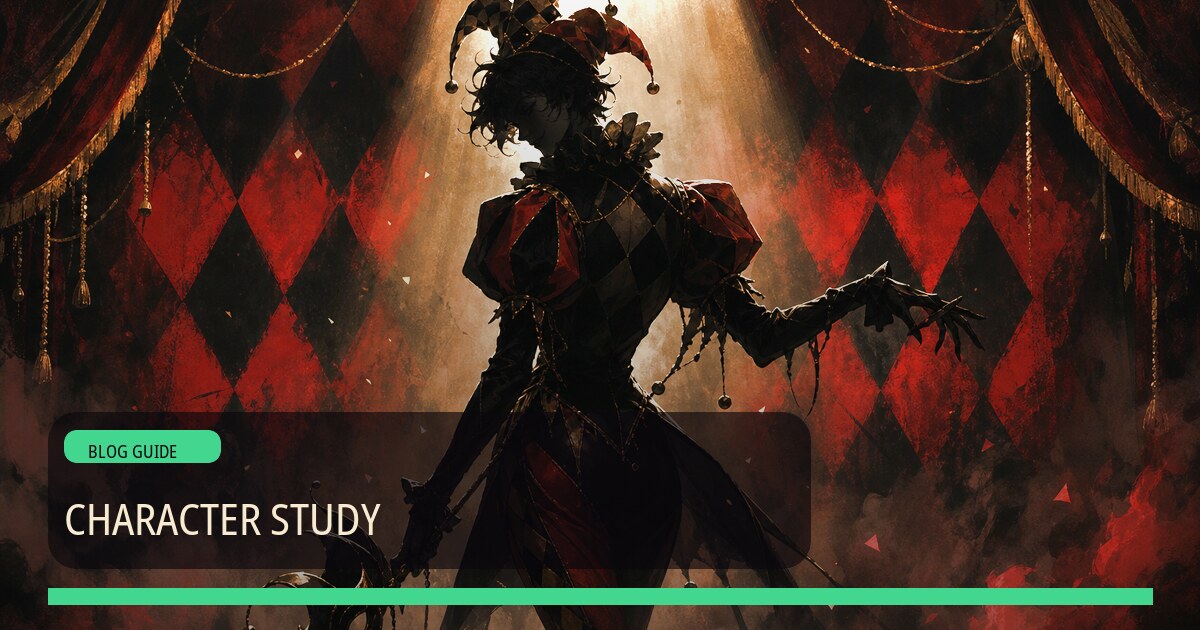
This fan-made analysis breaks down what makes Harlequin one of the most compelling characters in The Freak Circus. We look at his performance, his charm, the teasing that keeps players guessing, and the route signals he sends — all based on current-build observations, not official canon.
Quick Answer — Why Harlequin Feels So Compelling
Harlequin stands out because he treats every interaction like a stage performance. He is charming, unpredictable, and always in control of the tempo. Players are drawn to him because he makes danger feel playful — and because his teasing creates a push-pull dynamic that keeps you engaged without ever fully trusting him.
This is not an official character profile. It is a fan interpretation of how Harlequin behaves in the current build and why that behavior resonates with players who enjoy high-charm, high-risk characters.
Harlequin as Performance, Not Just Personality
Most characters in The Freak Circus have a clear emotional baseline. Pierrot is silent and intense. Jester is chaotic and direct. Harlequin, by contrast, never drops the mask — and that is the point. Everything he says feels rehearsed. Every smile lands at the right moment. Even his surprises look planned.
Players often describe Harlequin as "always performing." This does not mean he is fake. It means his real self is buried under layers of presentation, and the game rewards you for noticing when the performance slips. These small cracks — a pause too long, a smile that does not reach his eyes — are what make Harlequin feel human beneath the act.
From a gameplay perspective, this makes Harlequin harder to read than other characters. You cannot trust his words at face value. You have to watch what he does when he thinks you are not looking. This design choice turns every interaction into a small puzzle, which is why players who enjoy deduction and subtext gravitate toward his route.
Charm, Teasing, and Emotional Misdirection
Harlequin's charm is his primary weapon, but it is never straightforward. He compliments you, then pulls back. He creates intimacy, then laughs it off. This pattern of emotional misdirection keeps players off-balance and constantly guessing what he actually wants.
This teasing style serves two purposes in the narrative. First, it mirrors the circus setting — everything is a show, nothing is what it seems. Second, it tests the player. Harlequin seems to be measuring whether you can keep up with him. If you respond with confidence and wit, the dynamic shifts in your favor. If you hesitate or take his words at face value, he loses interest.
Players who enjoy romantic tension often call Harlequin the most "flirtatious" cast member. But flirtation here is a tool, not a feeling. Harlequin uses it to control distance. The closer you think you are getting, the more likely he is to throw up a wall. This creates a compelling loop: you keep chasing because he keeps retreating, and every small breakthrough feels earned.
Harlequin vs Pierrot — Two Different Kinds of Pressure
Harlequin and Pierrot are often compared because both create emotional pressure, but they do it in opposite ways. Pierrot is silent, heavy, and unspoken. His pressure comes from what he does not say. Harlequin is loud, playful, and verbal. His pressure comes from what he says — and what he hides behind it.
Where Pierrot watches from the shadows, Harlequin performs in the spotlight. Where Pierrot protects without asking, Harlequin invites you closer while keeping a hidden boundary. Players who like direct emotional intensity often prefer Pierrot. Players who like mental sparring and layered subtext often prefer Harlequin.
This contrast is one of the strengths of The Freak Circus cast design. The two characters create a natural tension that makes the group dynamic feel alive. It also gives players a real choice: do you want a route that overwhelms you with silence, or one that dazzles you with performance?
For a deeper look at Pierrot's psychology, see the Pierrot Character Guide.
What Harlequin Choices Usually Signal
In the current build, Harlequin responds to confidence, playfulness, and directness. Players report that choices where you match his energy — teasing back, calling his bluff, refusing to be intimidated — tend to advance his attention. Choices where you retreat, apologize, or take his words literally seem to slow progression.
These are community observations, not confirmed values. There is no public route recipe for Harlequin's route. What we can say is that his route signals reward engagement over submission. He wants a player character who meets him on equal footing, not one who folds under his performance.
If you are trying to read Harlequin's route while playing, watch for these moments: when he pauses after you speak, when his dialogue changes tone mid-scene, and when he seeks you out instead of waiting for you to approach. These are the closest things to route signals that players have identified so far.
For interactive choice testing, try the Choice Impact Helper. For broader route guidance, see the Harlequin Route Guide.
Why This Should Stay a Current-Build Interpretation
Everything in this analysis is based on what players have observed in the current build. Harlequin's character may change in future updates. New scenes may add context that shifts how we read him. Route conditions may be adjusted. This is normal for a game in active development.
We do not present fan theory as canon. We do not claim hidden values or guaranteed outcomes. What we offer is a lens — a way to understand why Harlequin feels the way he does, and how to engage with his character while waiting for more of the story to unfold.
If you disagree with this interpretation, that is part of the fun. The Freak Circus is designed to support multiple readings. Harlequin, more than most characters, invites debate because his performance is deliberately ambiguous.
What to Read Next
- Harlequin Character Guide — Full profile and scene list
- Harlequin Route Guide — Directional tips for route progression
- Pierrot Character Guide — Compare Harlequin to his tonal opposite
- The Freak Circus Characters — Full cast overview
- Full Walkthrough — Day-by-day choice guidance
- Day 2 Walkthrough — Where Harlequin's route signals intensify
- Affection System Guide — How relationships are tracked
- Choice Impact Helper — Test exact choice wording safely
- Route Direction Helper — Interactive route planning
FAQ
What kind of character is Harlequin?
Harlequin is a performer-first character who uses charm, teasing, and emotional misdirection to control interactions. He is playful, unpredictable, and always in control of the tempo. Players often read him as the most flirtatious and mentally engaging cast member.
Why does Harlequin feel dangerous?
His danger is not physical — it is emotional. Harlequin keeps you guessing, never fully reveals his intentions, and uses charm as a tool rather than a feeling. The risk is that you might trust him before you understand what he actually wants.
Is Harlequin flirting or testing the player?
Both. His flirtation is a form of testing. He seems to measure whether you can keep up with his pace, match his wit, and maintain confidence under pressure. If you respond with hesitation or take him literally, the dynamic cools. If you push back with charm, it advances.
How is Harlequin different from Pierrot?
Pierrot creates pressure through silence and unspoken intensity. Harlequin creates pressure through performance and verbal misdirection. Pierrot protects without asking; Harlequin invites you closer while keeping hidden boundaries. They are tonal opposites that make the cast dynamic feel complete.
Do Harlequin's choices have confirmed route values?
No. There is no public route recipe or verified point chart for Harlequin. What players report is that confidence, playfulness, and directness tend to advance his attention. These are community observations, not verified mechanics.
Should new players follow Harlequin first?
Harlequin is a good first route if you enjoy mental sparring, layered dialogue, and romantic tension that builds through subtext. If you prefer clear emotional signals and direct confession scenes, you may want to start with a different character and return to Harlequin later.
Where should I read Harlequin route help?
For directional route tips, read the Harlequin Route Guide. For interactive choice testing, use the Choice Impact Helper. For broader walkthrough coverage, see the Full Walkthrough and Day 2 Walkthrough.
Is this analysis official?
No. This is a fan-made character study based on current-build observations. The developer has not confirmed any of the interpretations or route signals described here. We treat all analysis as provisional and subject to change as the game updates.